
By ANNA CAHOON ’27
Updated 11:50 a.m. EDT, 5 Dec 2025
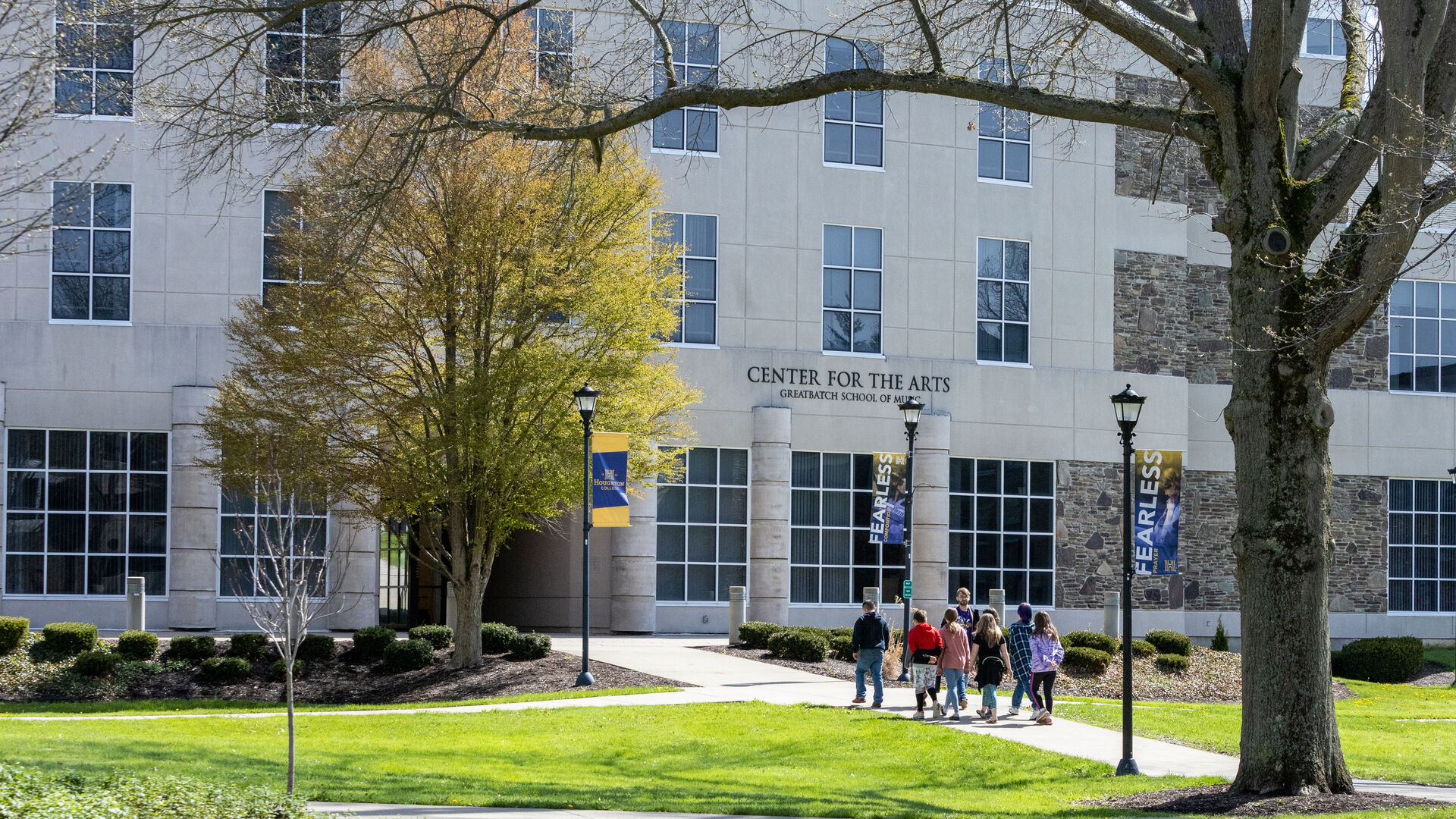
What does it take to turn raw talent into professional artistry? At Houghton University’s (HU) graduate Greatbach School of Music (GSM) program, the answer lies in a mix of rigorous training, mentorship and creative exploration that’s drawing musicians from across the region. But most importantly, their faith is a cornerstone of motivation in their everyday life and studies.
When the Dean of the GSM, Dr. David Clem, discusses the program, it is not only the students who enjoy the opportunity to focus on their talents, but it also brings joy to the professors overseeing them. He said, “Faculty enjoy working with graduate students because it gives them a chance to pursue topics at a deeper level than they can with undergraduate courses, and to train musicians who are at a higher performance level.”
Part of this deeper learning is crafting either a performance, a composing portfolio, or recitals, depending on their degree focus. Clem spoke of an incredibly selective audition process to become part of this program, as well as an interview with the Graduate Steering Committee, which oversees admission decisions and approves candidacy or projects. According to Clem, the selected students have never taken for granted the decision and have immersed themselves in a loving, tight-knit group.
The program is constantly evolving, thanks to the faculty who lead the program, and are in the final stages of developing the degree options. Soon, the online Master’s of Music and music education degree will address a familiar problem for music teachers: how to earn the master’s degree required for permanent certification without pausing their career. The online format will let them do both.
Students in this program have many opportunities for music expression. For Benjamin VanTine ‘27, this includes participating in the community on and off campus. He is the assistant organist for the Houghton Wesleyan Church. He is glad that he has the “opportunity to share music” with many people around the town who come to performances at HU. Alongside his fellow students, VanTime and others study the history of music, lessons, concerts, and rehearsals that solidify their understanding and growth.
His faith is pivotal in his journey here, and reflects how “every time we make music, we put ourselves in a position for God to work in each other’s lives as well as the lives of the audience. That mysterious process is unique to each individual, and it is a source of inspiration and excitement for all my musical endeavors.”
This program opened up doors for those who didn’t start with the same passions as others. Elaine Starling Leeli ‘27 was one of these students who never considered music for an era of study. What changed her outlook was discovering the love of music centered in God. Leeli tells how her faith “gives [her]purpose for making music. Ultimately, the music we make is for worshiping God. I am grateful to be in an environment of like-minded people who can remind me when I forget.”
Many graduate students give strong praise to the professors who contribute so much effort and time to ensuring they give all available tools to be successful musicians. It goes beyond the classroom and the topics required to be covered in lectures. Alexandria Leary ‘26 has seen this fully; for her, the professors are “more than just someone who gives me a letter grade, but as people I can look to for answers and advice in real career-specific situations.” The faculty have become strong role models to many students attempting to develop a profession for their adored “musicianship.” The professors are commended for their availability at the simple knock of a door, and their mentorship acts as a steady force in students’ musical development.
Jonathan Hutmire ‘26, recently a part of the Lyric Theatre’s performance of The Importance of Being Earnest, puts it perfectly to describe the closeness that the group has grown into, for everyone. Hutmire said, “The graduate students are like family. We get it. We know what each other is dealing with, and we’re there for each other.”
The culture in many groups and clubs at HU, but especially the graduate program, seems to all have an underlying bond since the students are “a very supportive, kind, encouraging group of people. I am very grateful to be here with these people,” said Leeli.
For graduate students at HU, the work of becoming a musician is not complete without the work of becoming grounded in purpose. Whether in rehearsals, assistantships, performances, or quiet practice rooms, they describe an environment where technical growth and spiritual formation move in step. In a community built on shared faith, the pursuit of music isn’t just study, it’s participation in the calling that drew them here.★