
By LAUREN FLANDERS ’28
Updated 11:50 a.m. EDT, 24 Apr 2026
Most people do not know where Myanmar is, yet the country remains in the midst of one of the world’s longest running and most complex civil wars. Located in Southeast Asia, south of China and west of Thailand, Myanmar has experienced decades of internal conflict formed by political, ethnic and religious divisions.
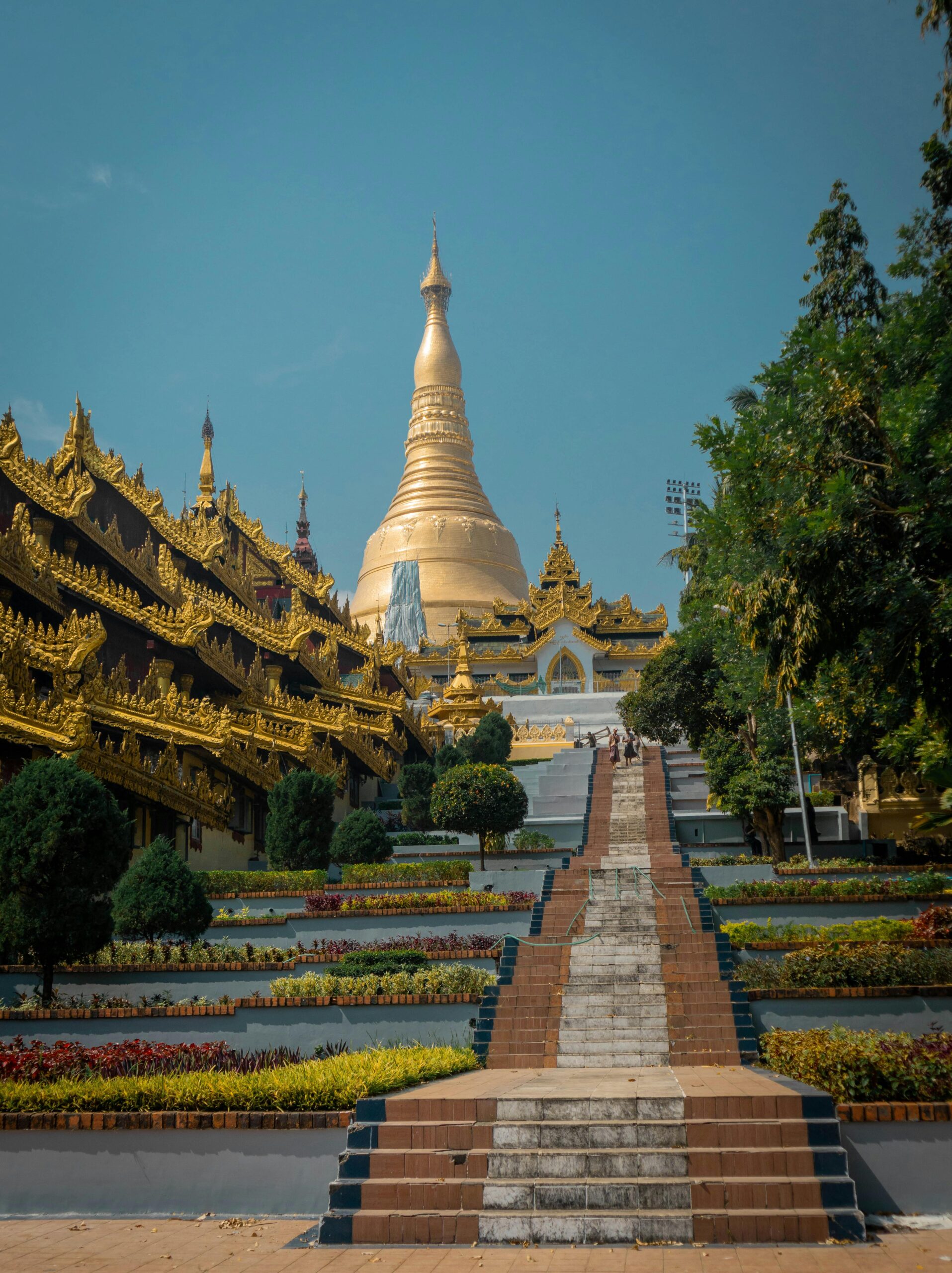
Religion is a central yet overlooked force behind Myanmar’s conflict, functioning not only as a system of belief, but also as a defining element of national identity. In a country where the majority practices Buddhism, religious identity is often closely associated with perceptions of citizenship and acceptance, leading to the unequal treatment of those who belong to a religion other than Buddhism.
This relationship contributed to longstanding hostility, particularly toward Muslim communities, such as the Rohingya. Many Rohingya have been denied recognition as full citizens and have faced decades of discrimination and violence. According to research published by the Berkeley Center for Religion, Peace and World Affairs, “Muslims within Myanmar have faced marginalization for many years,” with many viewed as outsiders, despite generations of presence within the country.
Religious nationalism also plays a notable role in intensifying these tensions. The International Crisis Group reports an “upsurge in extreme Buddhist nationalism, anti-Muslim hate speech and deadly communal violence” across Myanmar. Movements led by Buddhist monks and nationalist organizations promoted the idea that Buddhism must be protected from perceived external threats, further deepening divisions.
Violence linked to these tensions was documented in multiple regions. A 2013 investigation by Reuters described how “Buddhist mobs armed with machetes and swords” carried out attacks against Muslim communities, resulting in deaths, displacement and widespread destruction. These events exemplify how religious identity, when intertwined with political and social power, can be directly conducive to conflict and instability within the country.
Myanmar’s modern conflict intensified in 2021 when the military seized control of the government in a coup, detaining elected leaders, including former State Counsellor Aung San Suu Kyi. A civil war broke out after the military used lethal force to suppress protests, leading to widespread violence across the country.
Recent reporting from the British Broadcasting Corporation (BBC), citing United Nations (UN) officials, affirms the continued impact of this violence on civilians. During Myanmar’s recent election period, “at least 170 people were killed in military air strikes,” while UN officials stated that “the conflict and insecurity continued unabated in large parts of the country.” These findings underscore the scale of the ongoing humanitarian crisis.
The consequences of this conflict extend beyond Myanmar’s borders. According to a Reuters article, a boat carrying Rohingya refugees capsized in the Andaman Sea in April 2026, leaving around 250 people missing. As Reuters reports, “for years, many of Myanmar’s Rohingya Muslim minority have embarked on rickety wooden boats to try to reach neighbouring countries… in a bid to flee persecution in Myanmar or overcrowded refugee camps in Bangladesh.”
The state of affairs in Myanmar epitomizes the way in which religion, identity and political power can become greatly intertwined, often with both unifying and divisive consequences. While the country may remain unfamiliar to many, the forces forming its conflict reflect broader global dynamics in which identity and belief systems influence both inclusion and exclusion. Understanding these dynamics provides a clearer view of a conflict that is often overlooked, yet continues to have significant human and global consequences. In this sense, Myanmar’s ongoing crisis is not isolated, but part of a wider global reality in which questions of identity, belonging and power continue to form displacement across the world.
The human impact of these dynamics is ongoing and far-reaching, particularly for those forced to flee their homes. As the UN High Commissioner for Refugees and the International Organization for Migration stated following a recent Rohingya refugee tragedy, the crisis reflects the “devastating human cost of protracted displacement and the continued absence of durable solutions for the Rohingya.”
In Myanmar, religion and identity remain closely bound to political power, continuing to influence both the conflict itself and its human impact, particularly for communities that have been displaced or pushed to the margins. ★
