
By KATIE ULRICH ’29
Updated 11:50 a.m. EDT, 17 April 2026
Red Cross logistics coordinator and donor recruiter Catherine Orr believes that if you were to speak to the people in the waiting room of a blood drive, each would recount a different story as to why they give.
Madi Fleury ‘29 donates in memory of a lost loved one. Houghton University (HU) custodian Jamie Marshall gives because she has a valuable blood type. Peter McCracken ‘29, who has donated 25 times since the age of sixteen, gives simply because, “Why not?” Elizabeth Carpenter ‘27 donates because “…I think it’s a good thing to do. I think it’s important to have blood for people to use when they need it. And even though I’m scared of needles, I want to give blood.”
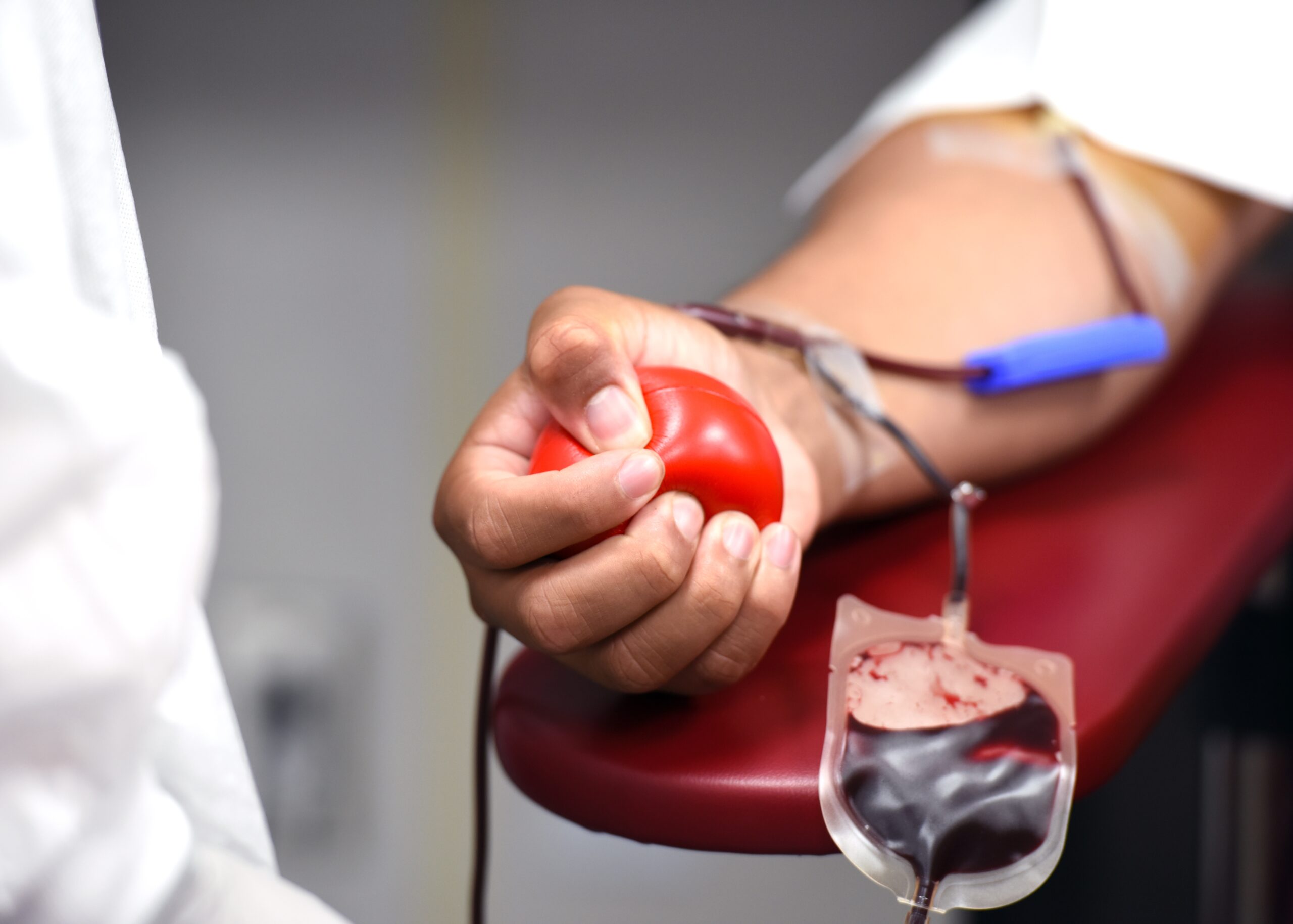
The fire department will host one more blood drive this month on April 21. Orr urges students to show up. “It’s such a needed mission of caring for others, of alleviating suffering,” she said.
Working with four Western New York counties—Allegany being her newest responsibility— Orr organized the six-hour event with several Red Cross employees and volunteers. Among the volunteers were several HU students.
For college campuses, particularly, Orr believes blood drives are essential. Young adults are “our future blood donors” who can continue to donate throughout their lives.
Due to health precautions like social distancing, blood drives slowed and available donors decreased during the pandemic, said the College of American Pathologists. As a result, the United States experienced a severe blood shortage. Another consequence is that current college students are not as familiar with blood donation as previous generations. Orr commented that drives help to debunk common misconceptions about the process. She encourages students to visit clinics even if they choose not to donate, so that they can be more informed about the process of blood donation.
Orr stated that although donors often worry about fainting or feeling dizzy after giving blood, actual fainting spells and intense sickness are rare. Both volunteers and employees are trained to properly examine and care for those who donate.
People are often misinformed about the medical requirements to give blood. “Last week, I was at a wellness fair, and three people in a row thought that if you were a cigarette smoker, you couldn’t donate blood. And that’s a myth,” said Orr. She continued, “Students, especially, will ask about new tattoos and piercings… [and] anxiety medications, depression medications, birth control… and marijuana, and those do not impact blood donations.”
According to the Red Cross website, a person in the United States needs blood or platelets every 2 seconds. The organization is responsible for blood drives across the country that draw about 40% of the U.S.’s blood supply.
Orr’s chapter of the Red Cross assists more than 100 hospitals in Western New York. She said, “When one-in-six hospital patients is going to receive a transfusion … we need to keep these local hospitals, and beyond, safe, and with a stocked blood bank supply.”
About 60% of Americans are qualified to donate. Annually, however, only about 3% give their blood, says the American Red Cross. “Most people don’t donate because no one ever asks them, or they didn’t know that it was so important and life-saving,” Orr shared.
Orr hopes more students will support future blood drives at the Houghton Volunteer Fire Department. ★
