
By KATE ULRICH ’29
Updated 11:50 a.m. EDT, 18 Sept. 2026
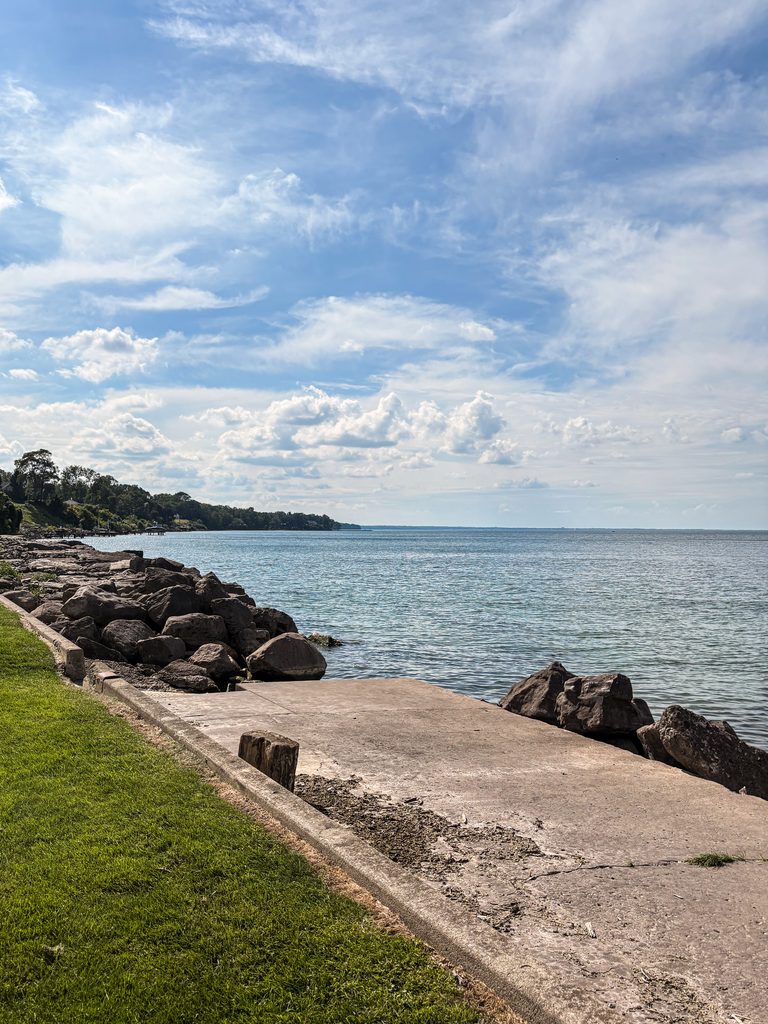
On August 27, President Donald Trump signed an official order to rename Lake Ontario, jointly claimed by Canada and the United States (U.S.), as Lake America.
“The United States is the greatest protector of the Great Lakes, including the body of water currently known as Lake Ontario,” Trump wrote in Executive Order 14422. He stated that the U.S.’s contributions have established it as a “tremendous asset” and “part of our Nation’s heritage.” This is the latest follow-up to the January 2025 executive order “Restoring Names that Honor American Greatness,” in which Trump instructed that the Gulf of Mexico be referred to as the Gulf of America.
Trade relations between the countries have been strained since early 2025. This August, Trump confirmed 50% tariffs on many Canadian imports and Canada announced its “dollar for dollar” retaliation. Trump released the executive order five days later.
“What makes it interesting is that [Canada] has always been a great ally by the United States. The U.S.-Canadian border is the world’s longest demilitarized land border,” said political science professor Dr. Peter Meilaender.
Trump directed the Federal Board on Geographic Names to affirm the Lake’s title in official records and communications. Outside of government systems, controversy has erupted over whether the name should be accepted, and if Trump has the authority to enforce it.
“There’s a sort of convention. There’s a way to rename things; it’s generally not done by the president,” said history professor Christian Esh. Meilaender agrees: “To me, naming something is more of a legislative action than an executive action.”
Canada is under no legal obligation to change its referral, and Canadian Prime Minister Mark Carney confirmed his stance on the name. On August 27, 2026 he posted on social media that “Canadians know that naming reality means calling it Lake Ontario– then, now and always.”
“It’s also true that New York State doesn’t have to call [the lake] what the federal government calls it,” Esh said. Governor Kathy Hochul quickly attested via X that New York will not use “Lake America.” In response, Trump accused Hochul of supporting “a country that has been ripping off New York State for years.” Despite executive backlash, only internal agencies are required to follow the order. The Associated Press has already confirmed that it will not recognize the name change, as has MapQuest. State parks, private organizations, and individuals can refer to the lake as they choose.
“I am absolutely not going to call it the Lake of America,” said Bea Brooks ‘27, an American-Canadian dual citizen. “I think that it’s offensive to Canadian Indigenous populations to change the name from Ontario and I think it’s very inconsiderate of the now-delicate balance between Americans and Canadians.” The name “Ontario” comes from the Seneca language, meaning “beautiful lake” or “lake of shining waters.” Brooks is concerned about the U.S. seemingly antagonizing Canada, but “when I think about more serious issues, I’m drawn to the Native American Indigenous problem of, how are we relating to people that we have generally abused? And how are we trying to heal that relationship instead of fracturing it more?”
The Seneca Nation, based in Western N.Y., released their official statement on August 28. Seneca Nation President J. Conrad Seneca asked “federal, state and local representatives– regardless of political party” as well as Indigenous Nations to oppose the edict. He cited 1794’s Treaty of Canandaigua between the Haudenosaunee (Iroquois) Confederacy and former President George Washington, which promised peace and respect toward the nations and their land. The Nation President called the order an attempt “to disregard the United States’ commitments to the Seneca and other Haudenosaunee nations.” He also advised Trump to review the U.S. Constitution’s Article VI, which validates treaties as the “supreme law of the land.”
Renaming the lake has escalated tensions with Canada and American Indigenous Peoples. The U.S.’s other international relationships may worsen with changes to more multi-country landmarks. The Trump Administration may have some in mind: “So, if you think about it, we have a Gulf and we have a lake. Now all we need is an ocean,” Trump said. ★
