
By ANNA CAHOON ’27 and CARI WASSON ’27
Updated 11:50 a.m. EDT, 20 February 2026
College athletes routinely receive access to injury treatment, evaluation and rehabilitation
through athletic training staff. At Houghton University (HU), athletes benefit from hot/cold
modalities, ultrasound, electrical stimulation, whirlpool therapy and structured therapeutic
exercise. Another Division III school, SUNY Geneseo, provides similar benefits for athletes –
preventive services, emergency care, clinical diagnosis, therapeutic intervention and
rehabilitation of a variety of injuries and medical conditions. These resources should, in theory,
allow athletes to rest and recover. But even with these treatment options in place, many
athletes choose to push through pain rather than step away. Why does ignoring an injury often
feel like the best—or only—option?
One major cause is roster size and the insecurity athletes feel about their position. Caleb Welker
‘26 is one of 20 pitchers on HU’s baseball roster and has faced multiple injuries that
forced him to shut down during the season. His shoulder and knee—two essential areas for a
pitcher—were both impacted over his college career. His knee began causing problems during
his freshman spring season, while his shoulder injury developed later during the winter of his
junior year. Welker admitted that when it started, “my first thought was I wanted to push through my injury … I didn’t want to step out because I didn’t want to get replaced.”
Although the trainers recognised he needed rest, he still felt the internal pressure to continue
contributing. His instinct reflects a common mindset among athletes: stepping back means
risking your role, and even your identity as part of the team.
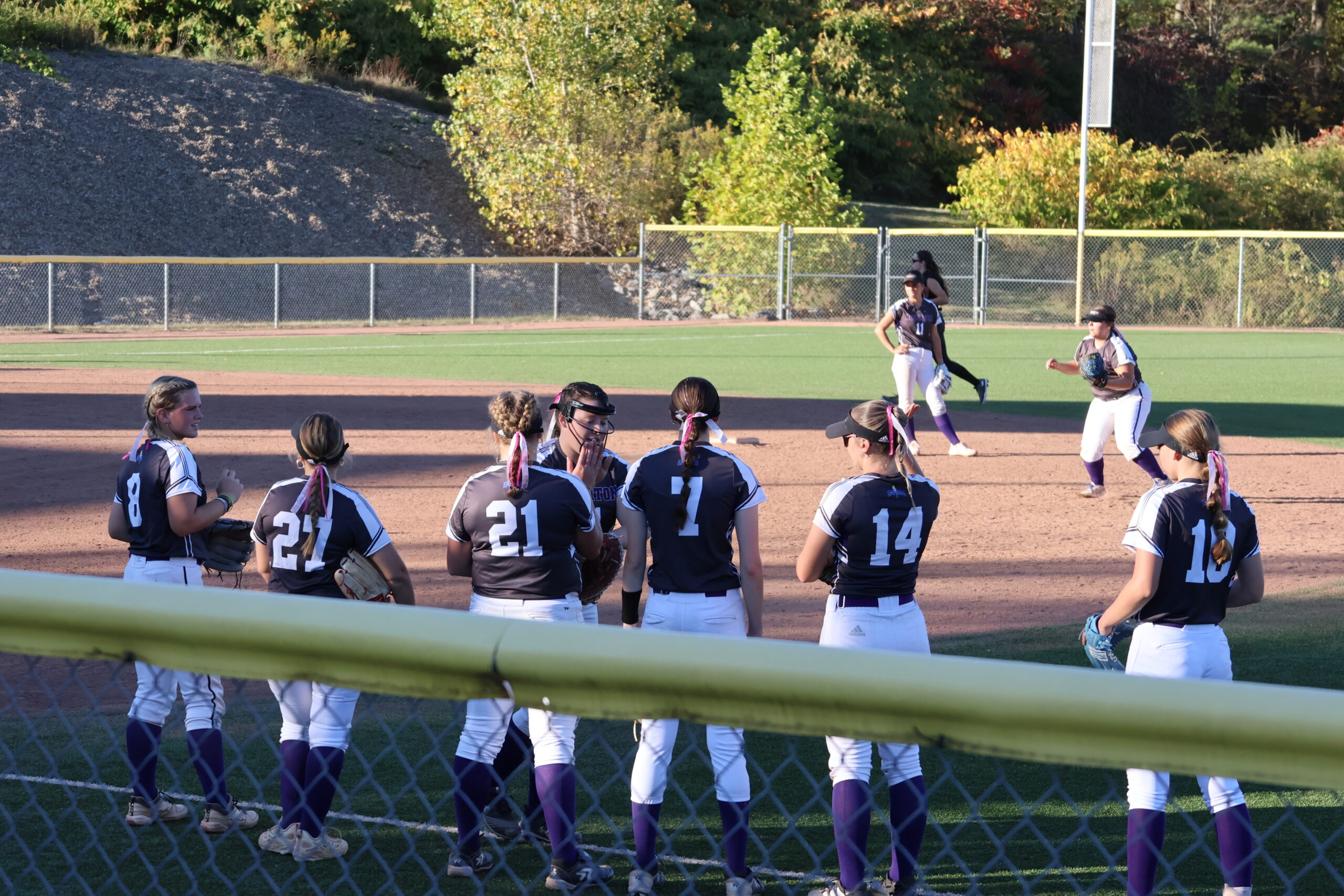
Pitcher for HU’s softball team, Kareena Ulfig ‘26, shared a similar fear—compounded by a smaller roster. Ulfig deals with chronic knee tendinitis, an injury that affects every aspect of her game: pitching, hitting, and fielding. Throughout her softball seasons, she has twisted her ankle, played through fatigue, and pushed through sharp pain during critical games.
“Our bodies never feel good and painless,” she said, noting that especially during the beginning of the season, her knee “feels like it could give out at any moment, but I’m still going to play.” With only three pitchers available for the team, 12 players total, and 9 required to field a team, the risk of sitting out extends far beyond personal pride. She said, “I will always push through because there isn’t really a lot of substitutes.” The margin for injury is thin; if she is injured, another player must sacrifice their position to cover hers—disrupting the entire lineup.
Athletes at other schools face the same pressures. Emily McClouth ‘26 from Geneseo College
has played soccer since childhood and views her college experience as a privilege she wants to
protect. Last year, she suffered a concussion, underwent two hip surgeries, and still returned to
play in the spring season. With only three goalkeepers on the team—and at one point only one
of them not injured—she felt constant pressure to perform. McClouth also shared how cultural
expectations shape an athlete’s internal dialogue, especially for women: she frequently
overhears comments like “oh, she’s hurt again” or “she’s being dramatic,” and over time, these
stereotypes became part of her thinking.
“If you hear something a hundred times,” she explained, “eventually you’ll believe it.”
Although many of these athletes compete in Division III, the problem is not limited to lower
divisions. In 2024, the NCAA moved to reduce roster sizes across many Division I sports,
increasing the workload placed on remaining athletes and reducing the cushion of substitute
players. Orthopedic surgeon Dr. James Andrews argued that smaller rosters will “increase
exposure in practices and games, which will cause more injuries.”
Underlying these physical injuries, and the need to push through them, is the athlete’s mental
health and internal monologue. The pressure created by the players themselves to perform
through physical concerns is not an issue only for college athletes, but professional athletes
have echoed similar experiences. A Duke Trinity College study notes that athletes’ internal
monologues often reveal the struggle between their body’s limitations and their perceived
obligation to perform. Simone Biles famously stepped back from competition due to mental
health concerns, illustrating how deeply athletic pressure can affect well-being. The study also
notes that college athletes are less likely than their non-athlete peers to ask for help— meaning
the pressure begins long before an athlete reaches the professional level.
Although physical activity can reduce the symptoms of mental health disorders, the culture of
athletics can compound them. College athletes face academic stress, performance
expectations, the constant risk of losing a starting spot, and the mindset of “playing through” pain. These stressors impact not only mental health but also physical health by reducing sleep,
delaying recovery, and heightening injury risk.
For HU athletes, these challenges are intensified by the size of rosters. When only a few players
can fill specific positions, injuries are pushed through and often ignored. The lack of substitutes
means athletes feel responsible not only for their own performance but for the team’s ability to
function at all.
But on larger teams, the pressure doesn’t disappear—it simply changes shape. One player on a
roster with more than 20 available substitutes said he felt he “couldn’t afford to step back,”
not because the team needed him to play, but because “someone else would take my spot.” His
injury wasn’t a threat to the team’s numbers; it was a threat to his identity and place within the
lineup. Both situations leave athletes carrying an invisible mental weight, though for different reasons.
With countless athletes competing while hurt—physically and mentally—colleges must ask a critical question: how can universities help athletes win in the game of their internal monologue? ★
