
By CARI WASSON ’27
Updated 11:50 a.m. EDT, 6 Feb 2026
On Jan. 9, Houghton University’s (HU) President Wayne D. Lewis announced, via email, that the annual Martin Luther King Jr. (MLK) Day programming would be cancelled.
MLK Day is considered both a work and an instructional day at HU. Faculty are required to come into work, and special lectures were provided in place of regular classes. However, due to roughly 20% of students in attendance, Lewis did not feel comfortable keeping the full-day programming and still calling the day “instructional.”
Even with the cancellation, the day is still considered an instructional day. As such, Lewis explained, “we would have classes, continue with an MLK day themed chapel, and continue with an evening program.”
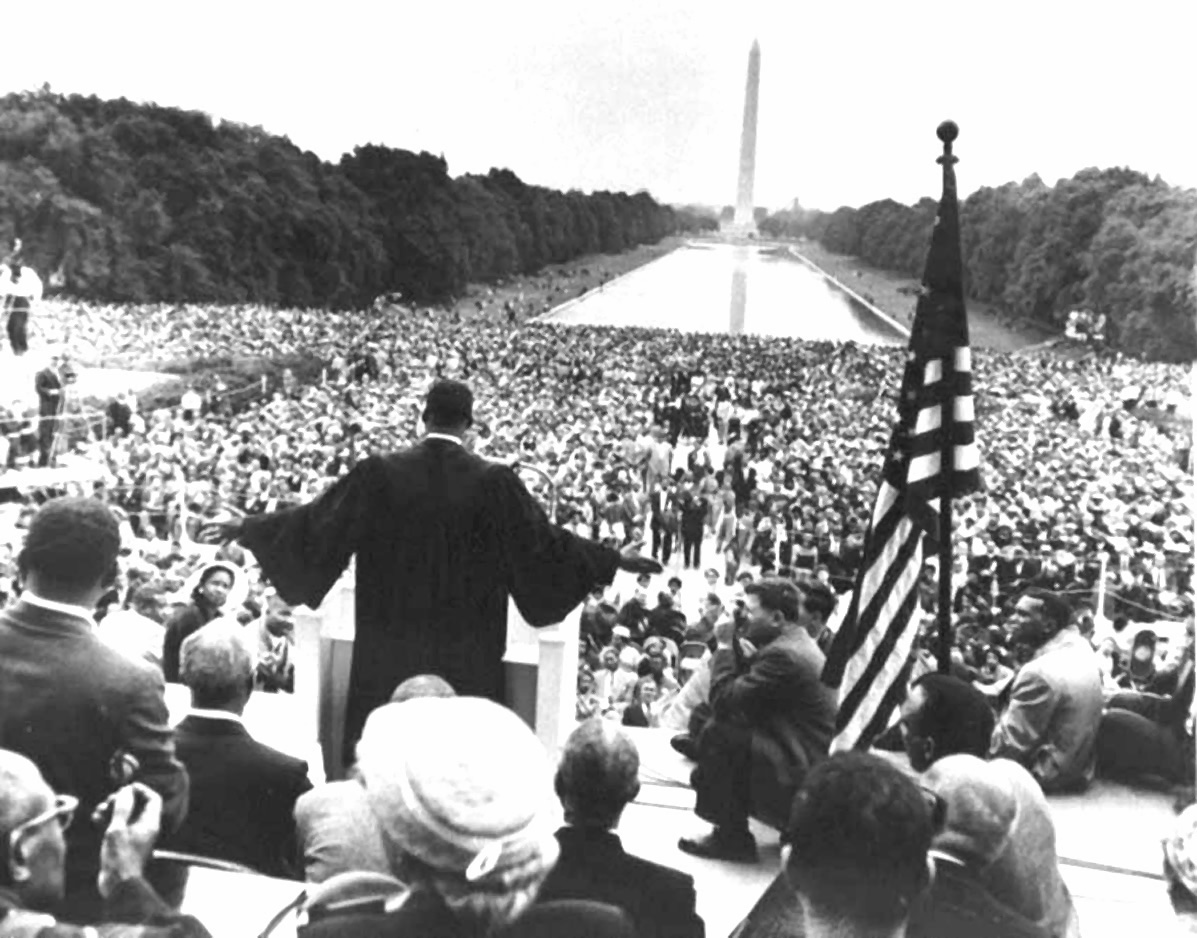
When the email was sent, the Black Heritage Club (BHC) sprang into action. Club President James Adenuga ‘28 said BHC decided to “plan for something to fill in for the lack of panel discussions that usually happened.” The proposal was made by the club’s Vice President Kenadi Nanga ‘26, who chose to lead a presentation on MLK’s Letter from Birmingham Jail. The letter was selected to bring conversation to a different piece of literature by MLK, not just his famous “I Have A Dream” speech. Adenuga said the presentation provided a chance to “gain a better understanding of the letter,” with questions to inspire conversation among participants. In February, BHC will host the presentation again in collaboration with the Kingdom `Initiative—a program that aims to learn about, engage with, and celebrate the rich cultural diversity of HU and the Kingdom of God.
Dr. Peter Meilaender, the Kingdom Initiative advisor, hopes to keep the interest in MLK’s legacy by hosting a book club. The group will discuss Kevin Sack’s bestselling novel “Mother Emanuel: Two Centuries of Race, Resistance, and Forgiveness in One Charleston Church.” Sack’s novel analyzes a hate crime at the Mother Emanuel Church in Charleston, South Carolina. With this as the foundation, the book then looks at the history of the black church. Meilaender hopes that the conversations sparked by the book will provide a chance to think about how “faith, reconciliation, forgiveness, [and] justice … go together as we think about our history of racial violence and racial tension.”
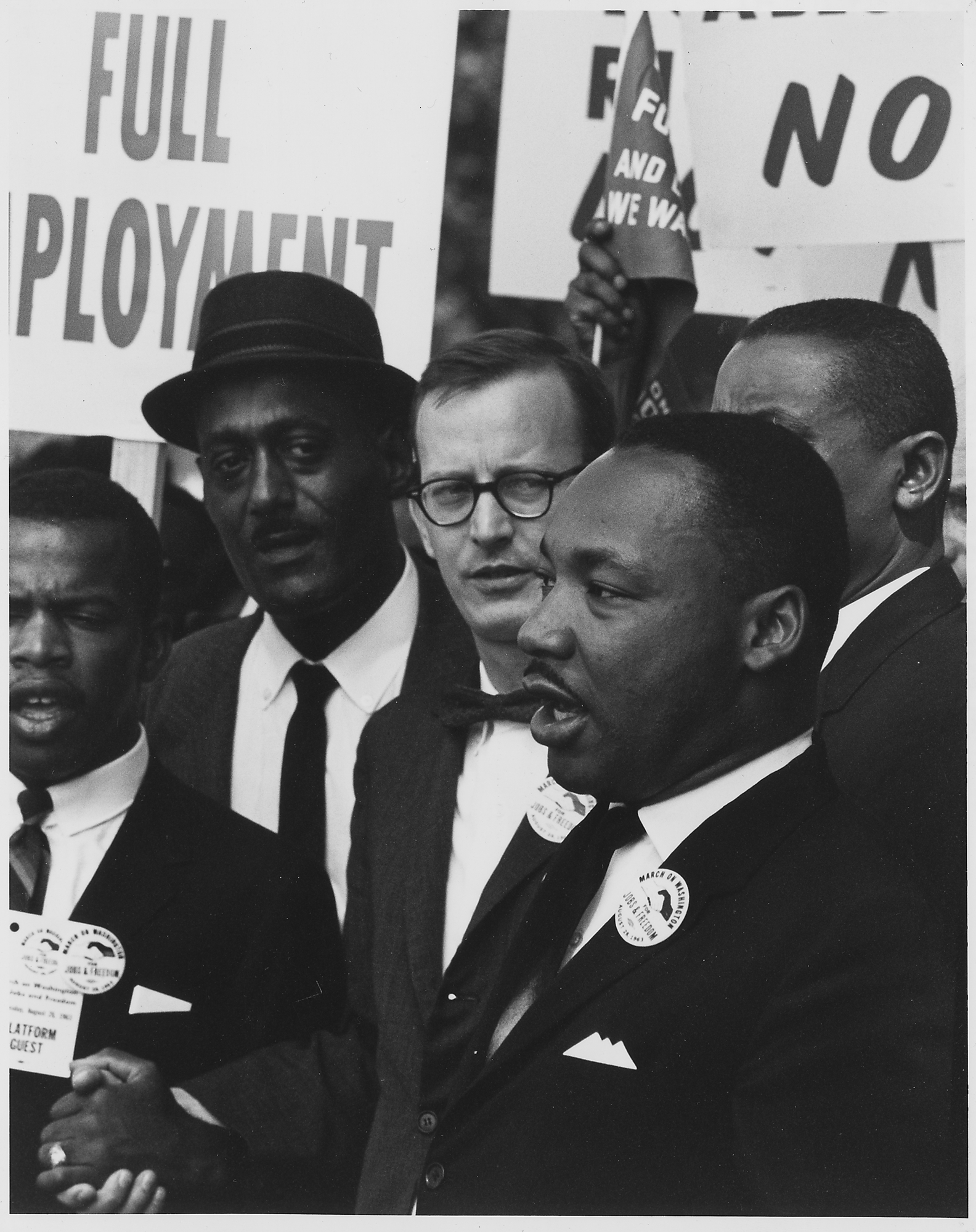
Lewis noted that he is “encouraged daily by students” in the way they “interact with each other and care for each other across [their] differences.” Lewis hopes students continue to honor MLK’s legacy by “celebrating those areas where we’ve made extraordinary progress since his leadership” and “identifying the areas where we continue to have progress to make.”
Although the programming was cancelled, students are still encouraged to learn about MLK and his legacy through events hosted by the Kingdom Initiative and BHC. Meilaender also encourages students to research stories and learn about different cultures to gain a “fuller sense of the richness of God’s kingdom.” The MLK programming may have been cancelled, but that doesn’t mean that MLK’s message has been lost. ★
