
By MAKAYLA JOHNSON ’26
Updated 11:50 a.m. EDT, 7 Nov 2025
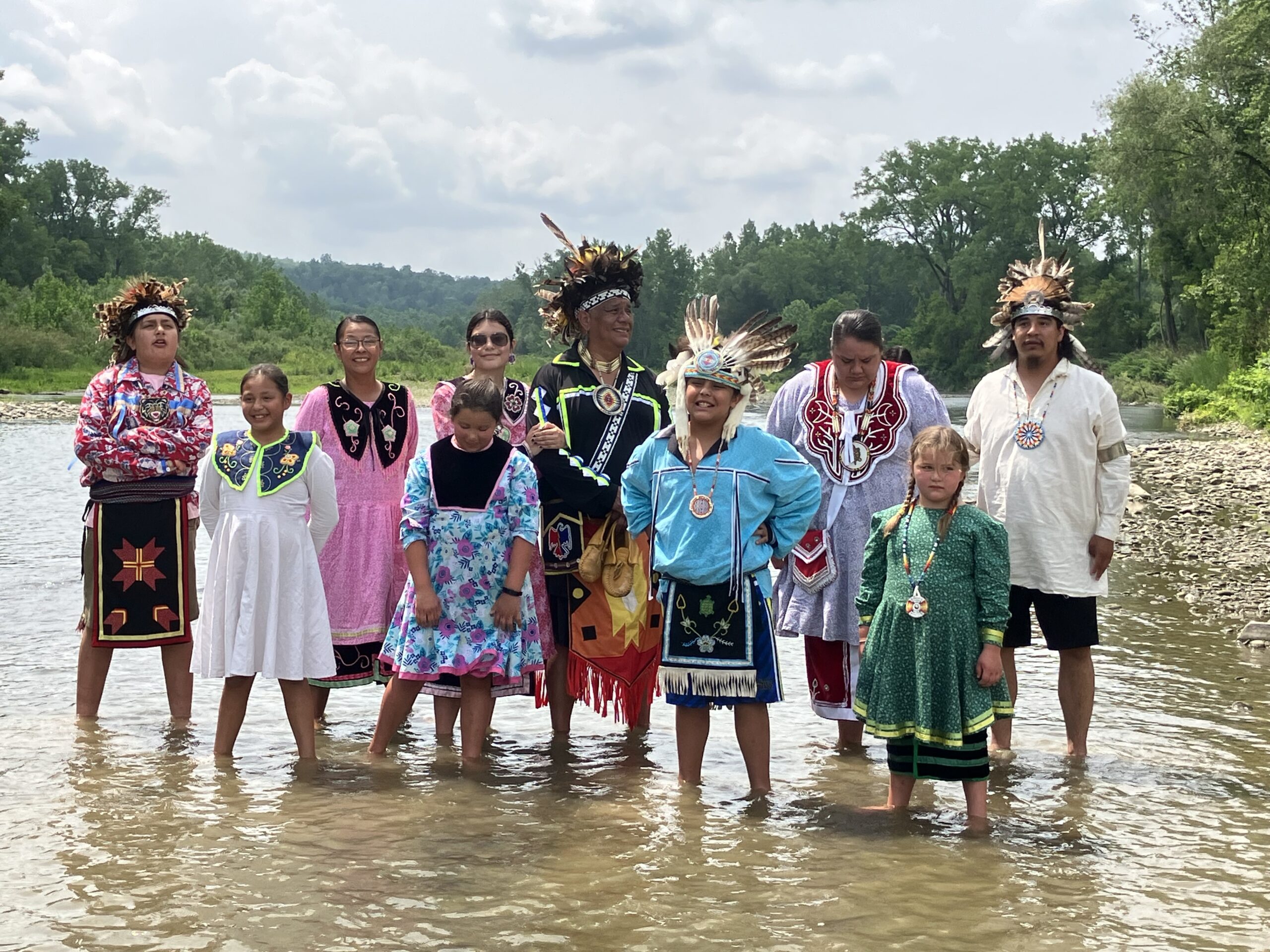
This week, the Kindschi Faith and Justice Symposium focused on the rights of Native Americans. In light of this topic, it is important to consider Houghton University’s (HU) historical connection to the Native Americans. The Seneca Nation originally occupied the land now known as the town of Caneadea, which includes the hamlet of Houghton. In 1826, the United States government proposed a treaty, which the Seneca Nation signed, leading to their relocation. Recently, the intertwined history of both communities resurfaced in public view when Phyllis Gaerte, HU’s Senior Director of Community Engagement, and Laura Habecker, the Town Historian of Caneadea, and members of the Seneca Nation initiated a reconnection.
In the winter of 2023, a renewed relationship between the Seneca Nation and the town of Caneadea began, according to Gaerte and Habecker. The renewal began with members of the Seneca Nation, who requested a “tour of important sites to the Seneca,” but because it was on short notice, Habecker declined. Around this time, Gaerte “drove up to campus and saw people by the boulder,” which is a burial site of Copperhead, “the last living Seneca from the Caneadea reservation.” Garerte invited them to come back at any time. These meetings led to independent conversations between Habecker and Gaerte with the Seneca, and later to a meeting with Caneadea town leadership and Seneca Nation leadership.
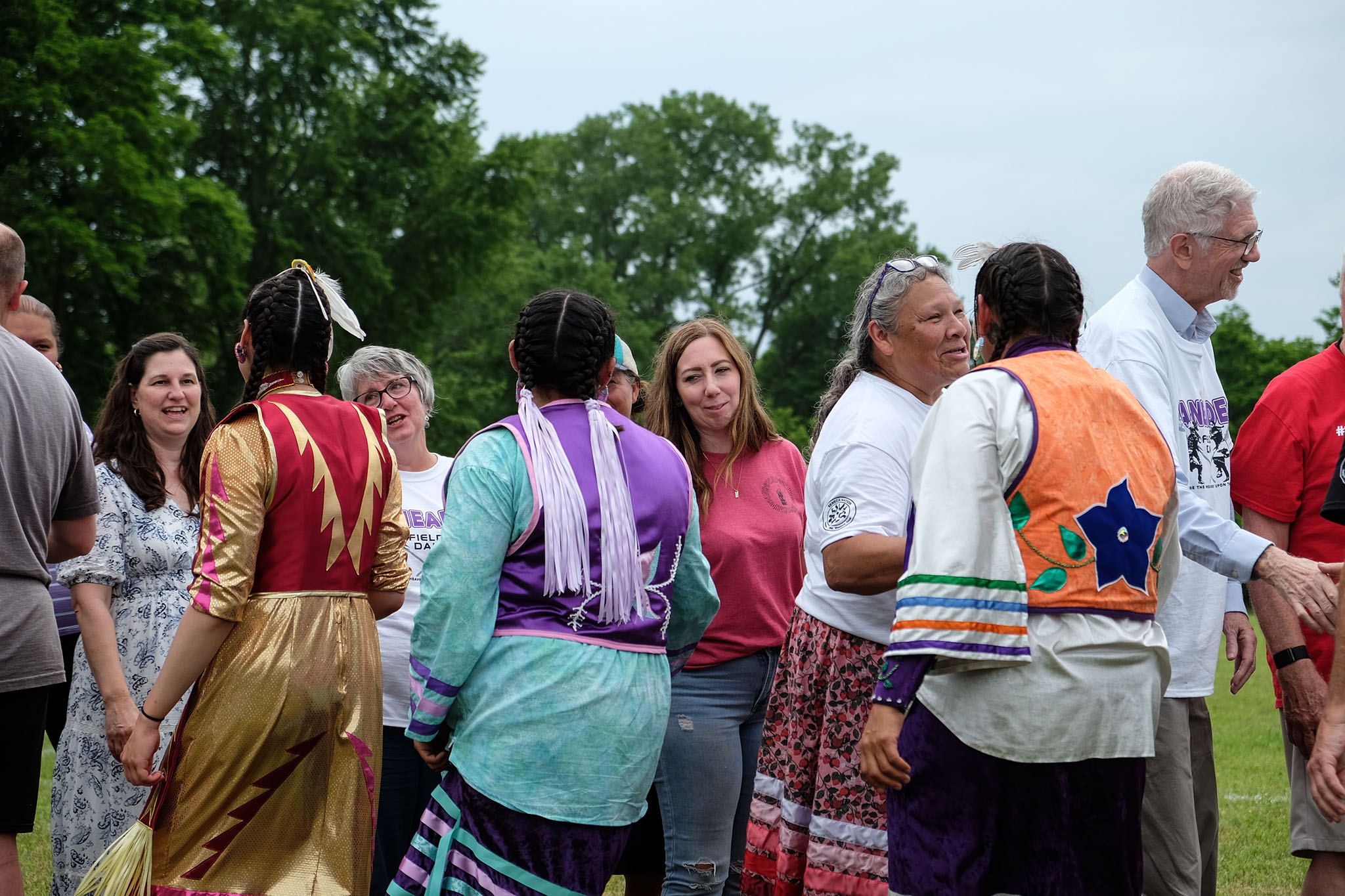
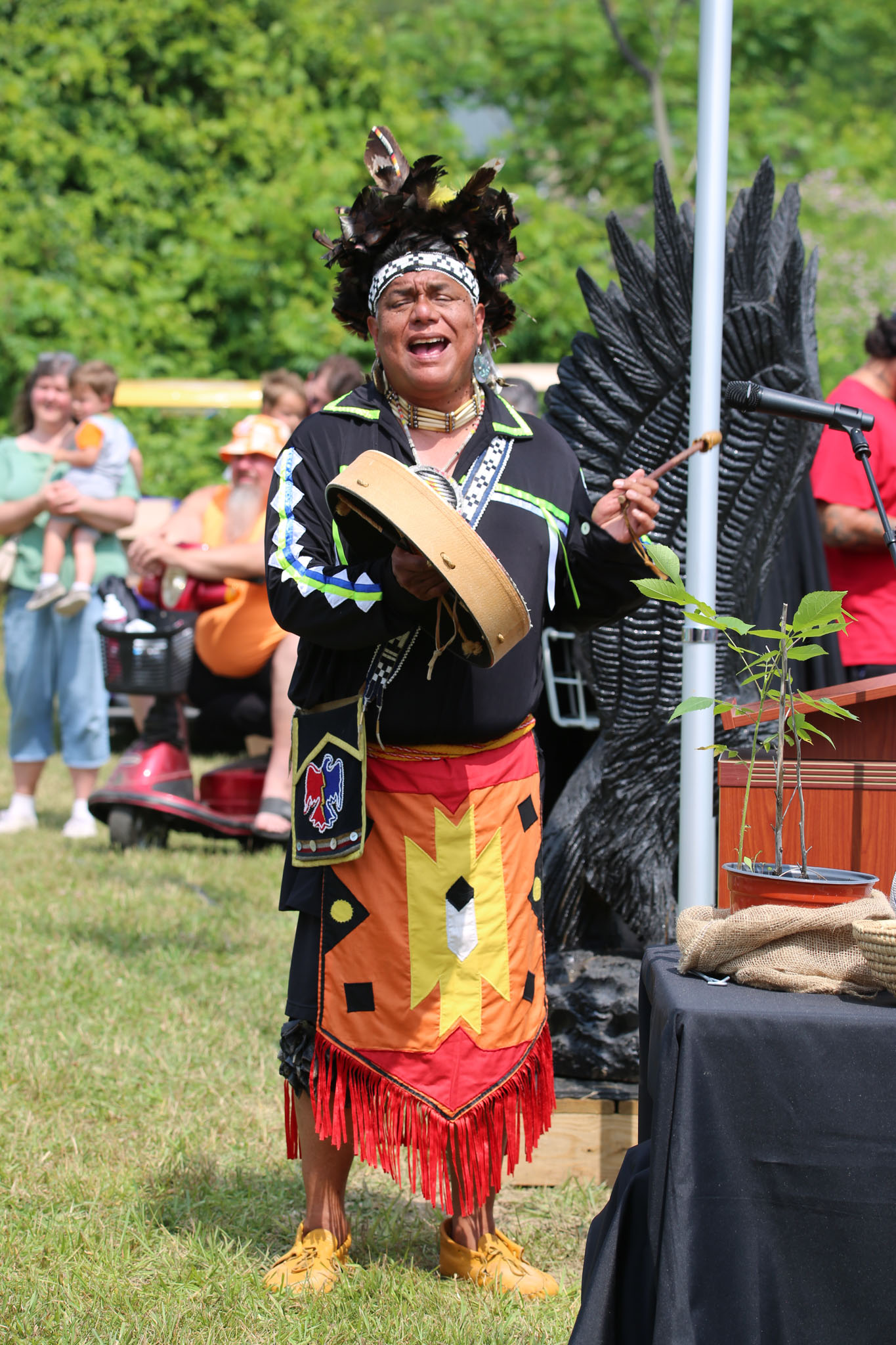
The meeting, which included Gaerte, Habecker and two members of the Seneca Nation, resulted in the communities “extending a hand of friendship,” according to Gaerte. They discussed ways they could collaborate in the future. This desire for collaboration blossomed into the first-ever Seneca Caneadea Field Day in the summer of 2023 and has continued each summer. The event is meant to introduce the town to “the Seneca culture and bring our two communities together,” Gaerte explained. On the first field day, over 500 people attended. The event included activities such as a ceremony, early settler games and activities, a Seneca dance exhibition and a wood stick lacrosse exhibition. Habecker emphasized the importance of the wood stick lacrosse during the interview because it “is their traditional style.”
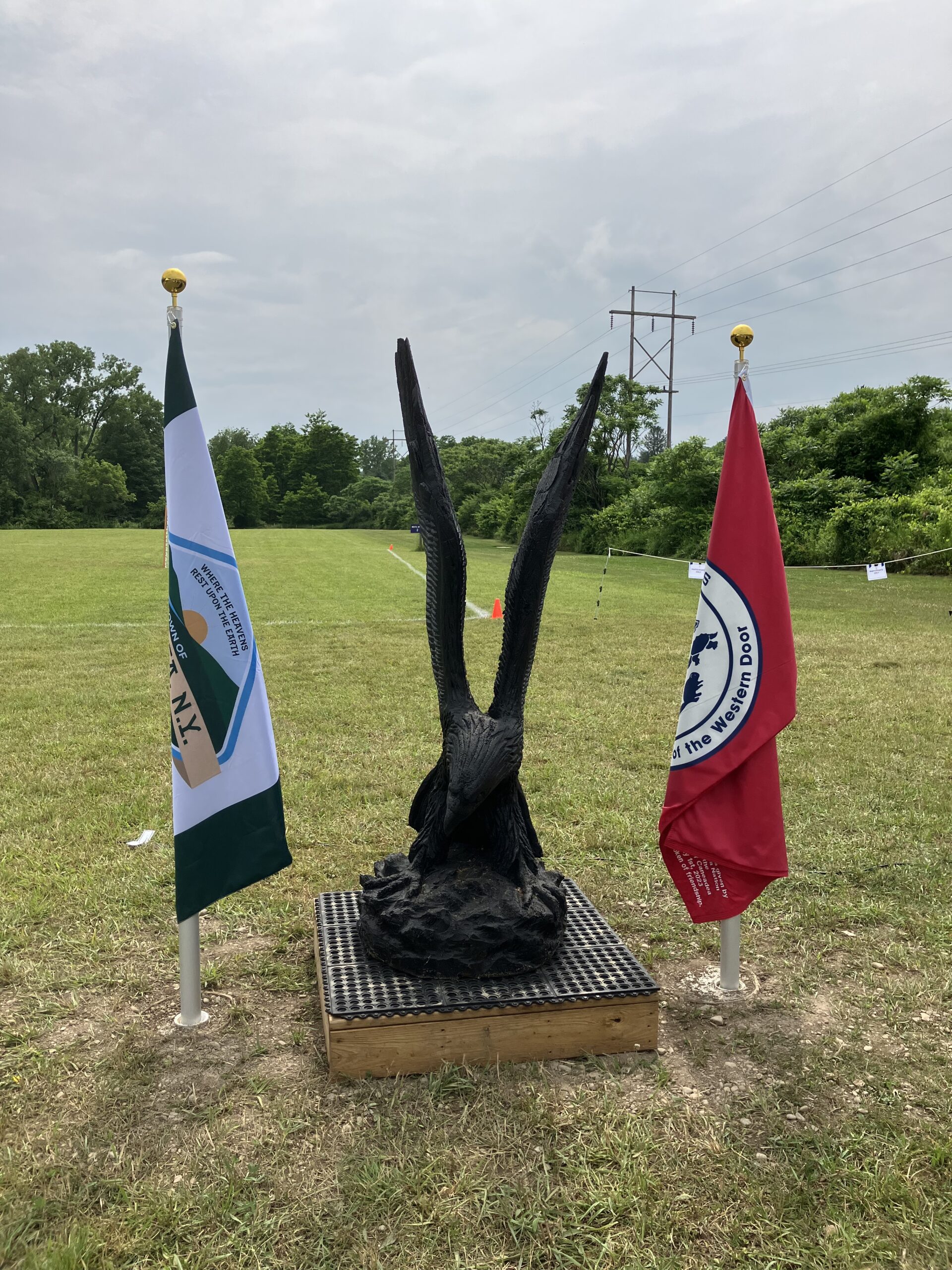
Habecker also described an important element of the field day: the raising of the Caneadea town flag and the Hudenosaunee flag. This tradition is derived from the history behind the Wampum Treaties between the United States government and the Seneca Nation, as well as the Haudenosaunee more broadly. These treaties dictated terms for land, financial agreements and more. Habecker explained that the symbol for the Wampum Treaties was a flag, which has “two stripes that run parallel and represent two canoes.” These stripes symbolized the idea of the United States government and the Indigenous peoples living side by side, though Habecker notes that “this didn’t happen.” So, as a part of field day, Habecker explained, “we raise our two flags together in parallel, the Caneadea and Seneca Nation flag, in remembrance of the two canoes,” a symbol of the renewed relationship between the communities.
The annual field day is not the only form of collaboration between the two communities. The groups come together to host student trips to the cultural center in Salamanca, New York. Additionally, Habecker is working to establish a town museum, in which the Seneca offered to share artifacts they have from the region. Opportunities like the Faith and Justice Symposium are made possible through the renewed friendships between our communities.★
