
By COLE DAVENPORT ’28
Updated 11:50 a.m. EDT, 16 Oct. 2026
“Fabric. St Paul’s Cathedral. Name a more iconic duo,” London Mayor Sadiq Khan shares on X, “Bringing together these two institutions will create a one-of-a-kind experience, pairing world-class music with one of our most special landmarks.”
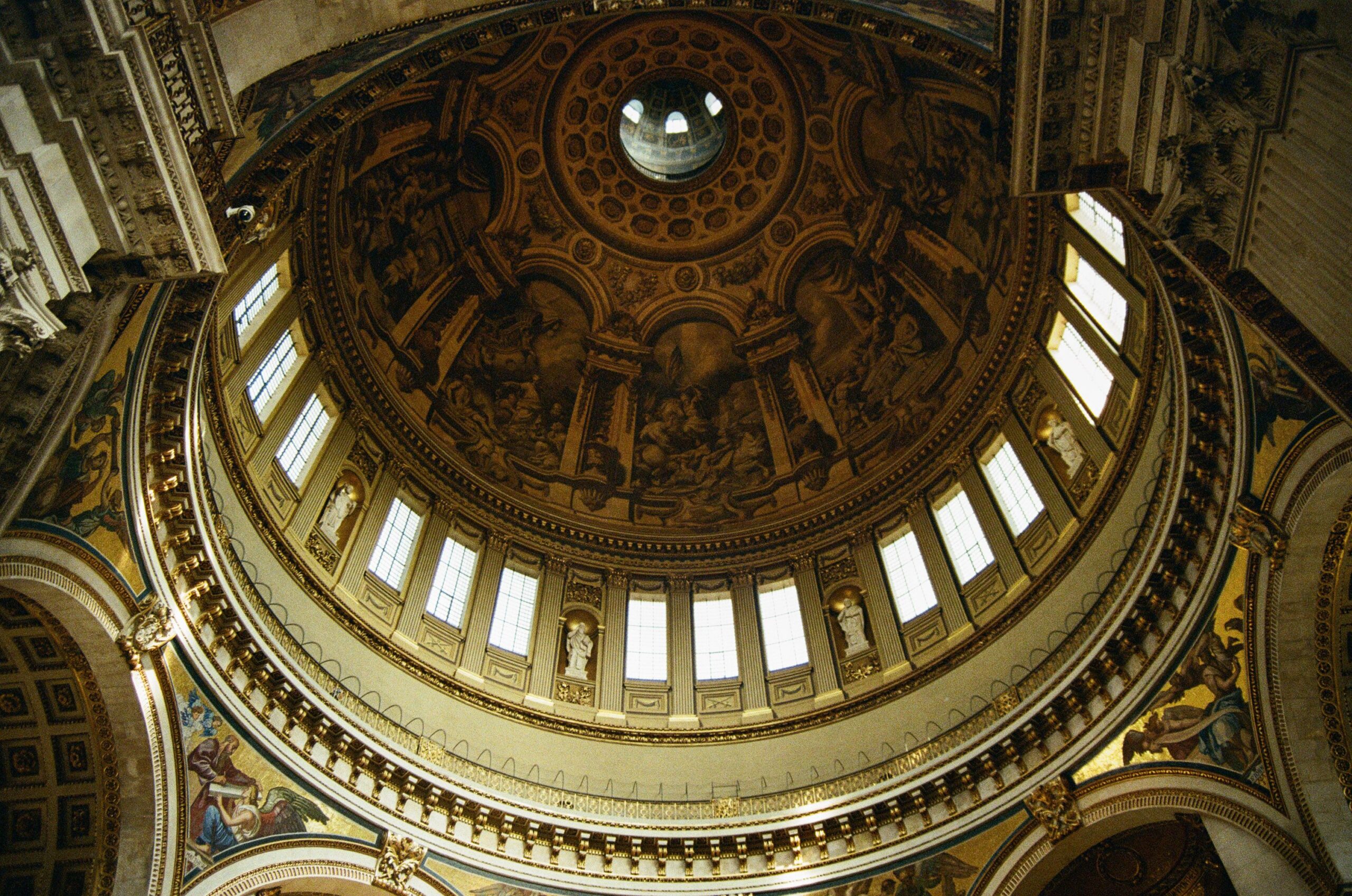
Khan’s candid post lauds the announcement of a four-year partnership between London’s Fabric nightclub and St Paul’s Cathedral, beginning on Oct. 29 of this year. This partnership will see St Paul’s open its doors to Fabric for a series of concerts, debuting with The Cinematic Orchestra, a British nu jazz group. According to Sandra Lynes Timbrell, Director of Visitor Engagement at St Paul’s, the intention of this collaboration is to “showcase world-class talent and create unforgettable experiences for audiences within one of London’s most iconic spaces.” She continues, “We hope the partnership will introduce new visitors to the Cathedral, encouraging people to discover and engage with this historic building in new and exciting ways.” Cameron Leslie, co-founder of Fabric, comments that, “Fabric has always been about bringing people together through music and creating experiences that stay with people.” He adds that Fabric aspires to create an experience that is “genuinely special and befitting of this incredible space.”
This decision has garnered significant controversy in public spaces, many took to the internet to express disdain, so Khan was hardly the only person brave enough to voice his opinion on X. The Christian Emergency Alliance decried the decision, stating, “We condemn this sacrilege and call on biblical Christian leaders across Britain to do likewise and see this despicable decision reversed.”
“Rather than have a hard and fast rule,” states Dr. Kevin Dibble, Associate Director of Recruitment, Outreach, and Strategic Development for the Greatbatch School of Music, “I would have questions.” He continues, “Would they be upset if it was secular, but classical?” Referring to the operatic repertoire often performed by Houghton vocalists in the Wesley Chapel, he states, “Show me an opera stage that isn’t doing shows about sex and alcohol.”
Dr. Michael Jordan, Associate Professor of Theology, agrees that more questions would need to be answered before making an assertion on the appropriateness of the collaboration. However, he expresses concern regarding the intention behind the decision. He asserts that the performers must assume responsibility for the use of the space in a way that is not “kitschy or transgressive.” He worries that there may be an element of mockery in the use of the cathedral for these performances, and that the performers may not “walk with reverence” within the space. He contextualizes this concern by comparing it to country star Luke Combs’ cover of Tracy Chapman’s “Fast Car,” which aroused questions surrounding Combs’ ability to understand and appreciate the song’s meaning.
“The crux of this argument is identity,” argues Marc Chamberlin, Lead Pastor at Genesis Bible Church in Scio, New York. Pastoring a church in a town of roughly 700 people, Chamberlin acknowledges the value of the church as a harbor for community needs. In reference to the musical styles that have been adapted appropriately and performed at Genesis, he says, “You name it, we’ve had it. We’ve had Christian rap.” The value of hosting such a variety within the church, he argues, is to provide a safe alternative for Christians who want to engage with a wide range of musical styles without encountering the debauchery that secular venues often house. Returning to identity, however, he stresses the importance of enlisting artists that are not explicitly incongruent with the church’s likeness. “Don’t ask me to be something I’m not,” he says, suggesting that the responsibility does not fall on the artist, but on the church to research and understand performers who are welcomed into their sacred space.
Tickets are available on the St Paul’s website. ★
